Enhance Your Outdoor Environment: Professional Landscaping Advice for a Beautiful Residential Garden
Turning an outdoor space into a stunning home garden requires thoughtful strategy and deliberate action. By evaluating the features of a yard, homeowners can establish specific landscaping goals. Selecting vegetation that match the regional conditions is vital. Furthermore, integrating functional hardscaping elements enhances both visual appeal and usability. Yet, the process doesn't conclude there. Learning how to sustain vibrancy and environmental health can take any garden higher. Which methods ensure long-term success?
Assess Your Space to Define Your Landscaping Goals
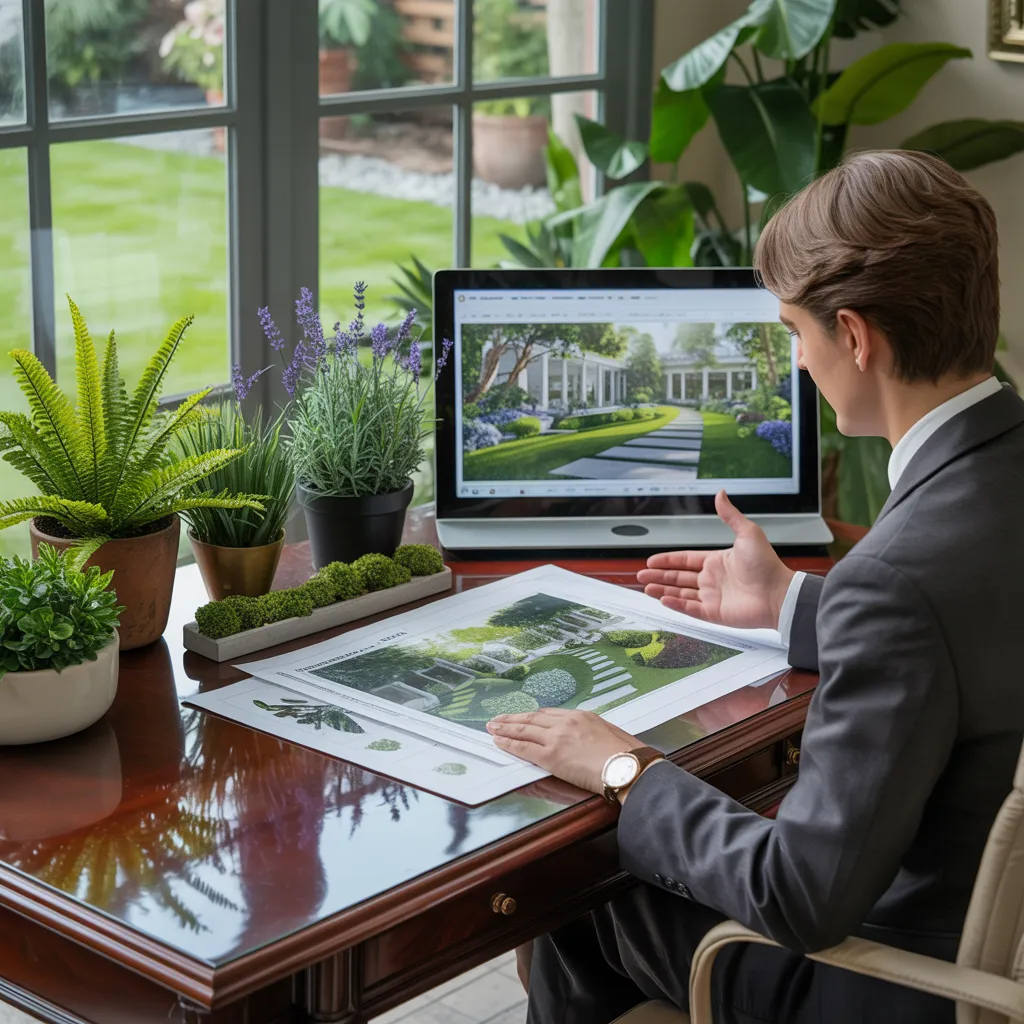
Before beginning any landscaping effort, it is critical for homeowners to thoroughly assess their exterior area. This preliminary assessment allows them to understand the unique features of their yard, such as sun conditions, soil composition, and existing plants. Identifying these elements supports in choosing what varieties of design features and landscape can be successfully integrated into the area.
Homeowners should take dimensions and document any barriers including vegetation, barriers, or walkways that could influence the layout. Moreover, understanding personal preferences and living requirements—such as entertainment spaces, growing plants, or relaxation—can direct the landscaping goals. By specifically establishing these goals, homeowners set a solid foundation for a unified and practical outdoor environment. This thoughtful assessment ultimately leads to a more successful and satisfying garden renovation, ensuring that the exterior environment not only enhances the property's appearance but additionally satisfies the practical needs of its inhabitants.
Pick the Ideal Plants for Your Area's Weather
Selecting the right plants for a particular region is critical for creating a thriving outdoor space. Grasping regional climate conditions, including heat levels, rainfall, and moisture levels, helps property owners select vegetation that will thrive. Indigenous vegetation often adapt best, needing minimal upkeep and irrigation. For copyrightple, water-efficient plants are ideal for dry climates, while water-preferring plants flourish in humid climates.
Gardeners should additionally take into account climate shifts; choosing vegetation that offers continuous appeal enhances the landscape. Spring-flowering plants, summer perennials, and vibrant fall foliage can create a dynamic visual experience. Additionally, speaking with local gardening centers or extension services can offer valuable insights into durable vegetation adapted for specific conditions.
Ultimately, a strategically designed plant selection not only improves visual appeal but also promotes native fauna and promotes environmental sustainability, making it a wise choice for every outdoor space transformation.
Transform Your Garden With Functional Hardscaping Components
Functional hardscaping elements serve as essential components in structuring exterior environments and enhancing their usability. By integrating sitting zones and well-designed pathways, homeowners can create inviting environments that encourage relaxation and movement. Additionally, borders can help delineate different zones within the garden, adding structure and visual interest.
Define Your Exterior Space
Creating a thoughtfully laid out outdoor space can transform a garden into a welcoming retreat. One proven approach to achieve this is through functional hardscaping elements, which establish structure and visual order. Walkways made from stone or masonry guide visitors while adding visual interest. Support walls can establish tiered levels, improving the landscape's appearance and avoiding erosion. Barriers or screens can mark boundaries, providing privacy and a feeling of containment. Incorporating raised garden beds not only defines planting areas but also makes them more accessible. These elements work together to establish separate areas that enhance both aesthetics and functionality. Ultimately, a clearly structured outdoor space fosters a serene environment where homeowners can unwind and appreciate the outdoors.
Incorporate Seating Areas
Incorporating sitting zones into an outdoor space greatly enhances its usability and appeal. By integrating functional hardscaping elements, homeowners can create inviting spots for rest, gathering, or appreciating the outdoors. Choices range from benches, outdoor furniture, or hanging seats, each adding to the landscape's visual appeal and coziness. Strategically placing seating near focal points, such as flower beds or water features, encourages users to engage with their environment. Additionally, selecting materials such as wood or stone can match the landscape's style, maintaining visual unity. Overhead coverings, such as pergolas or umbrellas, offer relief during hot seasons, ensuring these spaces are functional year-round. Ultimately, well-designed seating areas convert a standard yard into a welcoming retreat for loved ones and guests.
Add Pathways And Edges
Borders Hardscaping and pathways function as important components in outdoor landscaping, moving visitors through the garden while improving its structural excellence. They foster organization and flow, helping identify separate regions and botanical options. Brick, stone, or gravel options can form sturdy pathways, while borders derived from ornamental fencing or shrubs boost aesthetic appeal. Pathways can support investigation, emphasizing elements like garden beds or fountain features. Well-maintained borders minimize unwanted vegetation and landscape erosion, enhancing garden wellness. When combined, pathways and borders enhance usability while elevating decorative elegance of your outdoor area, rendering locations more inviting and delightful.
Build Movement Using Pathways and Seating Arrangements
A carefully organized outdoor environment frequently presents a natural flow produced through strategically positioned walkways and seating spaces. Walkways navigate visitors within the garden, forming a distinct sense of progression while boosting the complete aesthetic quality. Incorporating choices like stone, wood, or gravel can enhance the walkway's charm and guarantee longevity.
Seating areas provide rest points, inviting guests to pause and appreciate the surroundings. Strategically positioning seating near focal points, such as a fountain or a flower bed, encourages interaction with the landscape. The choice of seating—benches, chairs, or even hammocks—can influence the atmosphere, whether it be casual or formal.
Blending pathways and seating zones creates an appealing atmosphere, improving practicality and satisfaction. Used together, they form a fluid movement across multiple regions of the garden, inspiring wandering and peace, finally converting any outdoor location into a serene hideaway.
Infuse Your Garden With Seasonal Color and Texture
To improve the aesthetic quality of a landscape, thoughtful choosing of seasonal varieties is critical. Combining various textural qualities can bring dimension and engagement, as well as carefully positioned highlights can capture attention and develop a unified composition. All these aspects combined assure a lively and engaging exterior environment all year long.
Select Plants for Each Season with Consideration
Choosing seasonal plants with care can transform any garden into a vibrant tapestry of color and texture. By picking plants that bloom at different times throughout the year, gardeners can guarantee a continuous display of beauty. Spring-flowering specimens, summer color providers, autumn perennials, and winter evergreens each deliver unique color palettes and structures to the landscape. It is essential to take into account local environmental conditions and ground composition, as well as the plants' growth patterns. Native species often thrive better and require less maintenance, increasing biological diversity. Additionally, pairing plants with different heights and seasonal blooms can establish an eye-catching visual effect. Ultimately, thoughtful selection fosters a garden that evolves with the seasons, delivering enjoyment throughout the entire year.
Develop Texture Combinations For Visual Depth
Building garden depth requires layering textures that complement and enhance seasonal color. By incorporating a variety of plants with differing foliage shapes, sizes, and colors, one can achieve a visually dynamic landscape. For instance, blending large-leaved plants with soft grasses can generate visual contrast and fascination. Additionally, integrating bark, stones, and other natural materials introduces tactile elements that enhance the complete garden experience. Flowering displays should be thoughtfully placed to offer color bursts across seasons, maintaining ongoing visual engagement. This thoughtful arrangement not only moves your gaze throughout the space but also fosters an immersive atmosphere where every detail contributes to the garden's beauty and harmony.
Position Visual Anchors Carefully
Strategically incorporating focal points can markedly enhance a garden's design appeal and seasonal dynamism. These primary focal elements serve as anchors that draw the eye and create a cohesive design. Gardeners can utilize pieces such as monuments, decorative specimens, or striking beds to establish visual magnetism. Seasonal color can be woven into the deliberate curation of plants with varying bloom schedules, ensuring that the garden remains dynamic throughout the year. Textures also play a significant role; uniting smooth pathways with rugged surfaces or abundant greenery provides dimension. By carefully positioning these details, a gardener can construct a hospitable setting that inspires investigation and admiration, converting an area into a captivating haven.
Embrace Responsible Approaches to Establish a Flourishing Garden
Embracing green approaches is essential for cultivating a vibrant garden that flourishes in sync with the natural world. Horticulturists are encouraged to utilize indigenous flora, which require reduced irrigation and upkeep while boosting community creatures. Adopting natural horticultural techniques, such as organic waste conversion and chemical-free pest management, can substantially reduce synthetic inputs, creating a more robust environment
Water conservation strategies, such as precision irrigation and water collection systems, improve sustainability by improving resource efficiency. Mulching not only preserves hydration additionally prevents unwanted plants, minimizing the requirement for herbicides. Also, fostering plant variety by adding multiple plant types promotes durability to harmful organisms as well as pathogens.
Soil condition is vital; practices such as crop cycling and protective cropping maintain nutrient balance excluding the need for chemical fertilizers. By adopting such sustainable practices, growing enthusiasts can create a thriving environment that nurtures both plants and the environment, resulting in a greater horticultural experience.
Troubleshoot Frequent Problems for All-Season Garden Appeal
A properly-cared-for outdoor space can encounter various difficulties across seasons, impacting its total appearance plus health. Typical problems encompass insect problems, lacking minerals, along with limited water. Spotting pests quickly is essential; gardeners should routinely copyrightine foliage for visible harm and address pest problems with chemical-free pesticides or instead introducing beneficial insects.
Insufficient nutrients typically appear as yellowing leaves and limited growth. Running soil tests can assist determine individual requirements, enabling to enable strategic fertilization Lacking minerals commonly display as yellowing leaves as well as reduced growth. Running soil tests can assist pin down individual demands, allowing strategic nutrient application returning balance. Also, ensuring adequate water supply is crucial; overwatering can cause root rot, on the other hand underwatering strains plants.
Seasonal changes furthermore call for adjustments in maintenance. During winter, mulching shields root areas against ice, whereas summer months could call for additional water as well as shade to protect fragile plants. By tackling such frequent challenges promptly
Can I Execute Outdoor Work Myself or Employ a Specialist?
You can absolutely complete garden work solo, utilizing online resources and your creativity. Yet, employing a specialist provides proficiency, efficiency, and better outcomes, particularly for advanced designs or larger projects that need specialized skills.
What Tools Are Essential for Home Garden Work?
Essential items for home garden work consist of a standard rake, spade, garden spade, pruning shears, garden fork, and a garden hose or water can. These equipment support effectively maintain dirt, plants, and overall garden maintenance, guaranteeing quality landscaping
What Methods Should I Follow to Keep My Garden Area Over the Calendar Year?
If you want to care for a yard across the seasons, frequently trimming greenery is critical, using mulch for thermal protection is important, checking water levels is vital, and implementing seasonal planting plans is beneficial. Also, pest prevention and fertilization are necessary for vigorous, healthy vegetation.